
Rodent Control in Burleson, TX - for a City Still Being Built on Cleared Pasture
Burleson had about 21,000 residents in 2000. It has more than 57,000 now. A lot of that growth happened on land that was cattle pasture or a hayfield within the last ten or fifteen years, which means a good share of the rodent calls we get here aren’t about an old house with old gaps. They’re about a brand-new subdivision sitting where a field used to be, and the rodents that field used to belong to still think it’s theirs. We handle rodent control for homes and businesses across Burleson and the surrounding DFW area, from the first inspection through the follow-up visit that confirms the problem actually left, not just went quiet for a couple of weeks. If you’re hearing movement in the attic, finding droppings behind the pantry, or a few store-bought traps didn’t hold, we’d rather come look at the property than guess over the phone.
About Rodent Control DFW
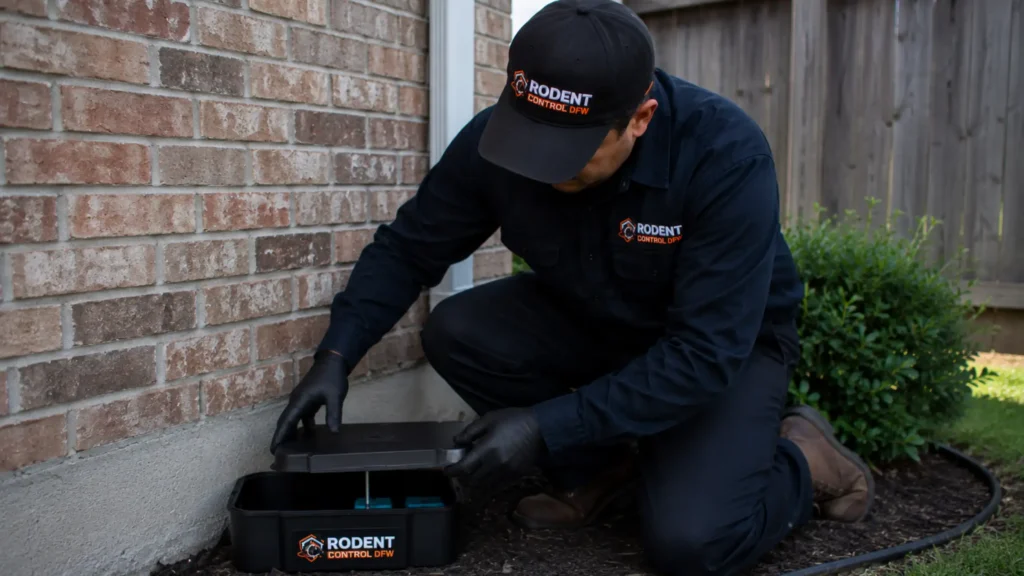
Rodent Control DFW handles rodent work across Fort Worth and the towns around it, Burleson included. I spent a decade doing this kind of work for other companies before I started this one, and my co-founder, Noah Willson, has put in more than 13 years in the field and personally worked over 140 rodent jobs from start to finish. Between the two of us, that’s the entire operation.
There’s no bench of subcontractors standing between the person who inspects a Burleson attic and the person whose name ends up on the invoice.
Why Bedford Homeowners Choose Us
Most companies run the same playbook on every call, a few traps, a bait station, a callback number if it doesn’t work. That approach ignores what makes a Burleson property different from a house in an older, settled DFW suburb. Some of what we walk into here is a two-year-old slab home where the exclusion work simply hasn’t been tested yet, sitting a quarter mile from a field that still gets mowed. Some of it is a house near Old Town that’s been standing since the 1940s. Those two jobs don’t get the same inspection.
We treat every rodent call as an exclusion problem first, trapping second, no matter how new the house is. A response comes within 24 to 48 hours, and the technician inspects before recommending anything. Nobody gets a bait station dropped off with a sales pitch attached.
What Rodent Control in Burleson, TX Actually Involves
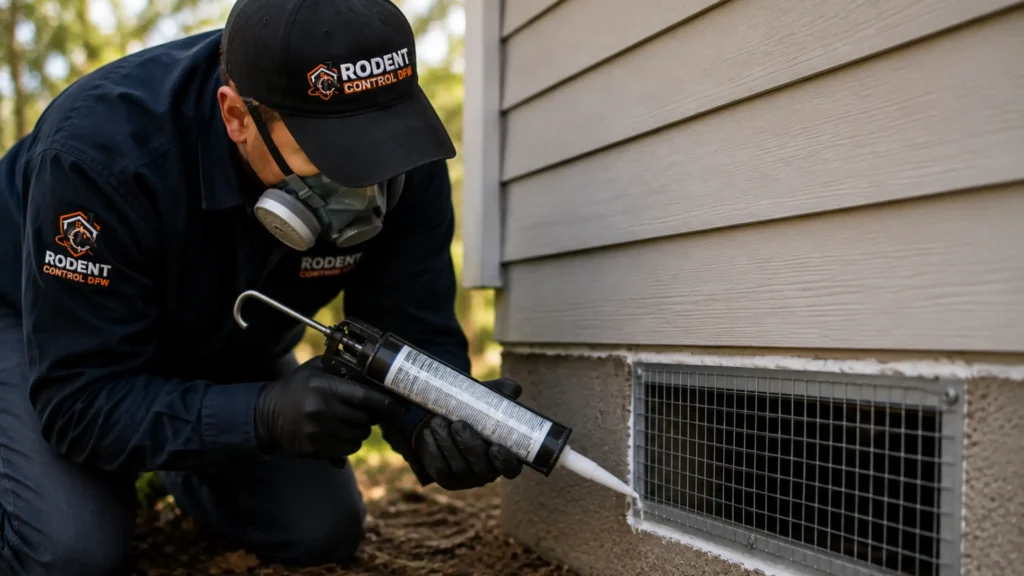
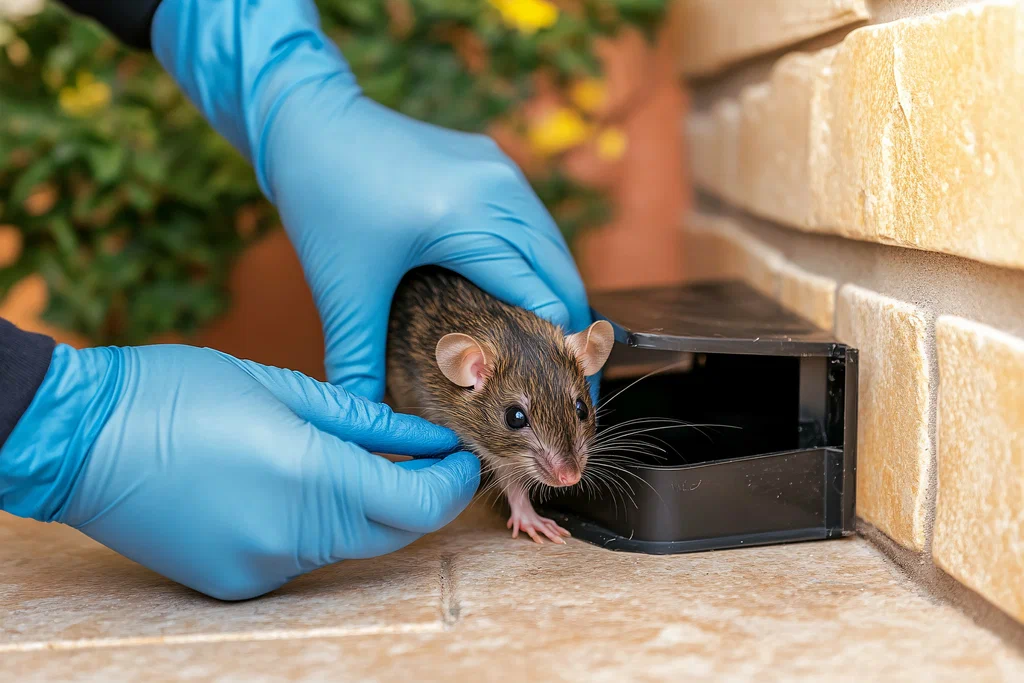
A rodent job here runs through a full inspection to map entry points and activity, exclusion work that physically seals every opening with chew-proof material, trap placement based on what the inspection actually found, and a follow-up visit to confirm the sealed points held and no new activity started. Skipping the order, or skipping the last step, is where most other companies’ jobs come apart.
That sequence matters more than any single piece of it. Guessing at trap placement without an inspection means guessing at the whole job. Sealing before a population is confirmed cleared just traps the problem inside the wall instead of removing it, which is a mistake we see other companies make on Burleson properties often enough that it’s worth saying plainly.
Why Burleson's Growth Creates a Different Rodent Pattern Than Older DFW Suburbs
Burleson’s population sat around 11,700 in 1980. By 2010 it had passed 36,000. It’s over 57,000 now, which means the city has roughly quintupled inside one working lifetime. Most of that growth pushed outward from the original townsite toward Joshua and along the I-35W corridor, converting pasture and hayfield into subdivisions a phase at a time.
That growth rate changes what a rodent problem looks like on a lot of Burleson properties. An older DFW suburb usually deals with an established population that’s worked its way into a house gradually over years. A newer Burleson subdivision more often deals with a population that got displaced all at once, when the lot next door went from grass to a graded pad in a matter of weeks. The rodents didn’t leave the area. They moved into whatever structure was closest and warmest, and sometimes that’s a house that’s barely been lived in yet.
From Pasture to Foundation, What Happens When a Field Gets Cleared Next Door
Field rodents don’t relocate somewhere else when their habitat gets cleared for a new phase of construction. They move to the nearest cover with food and warmth, and a freshly framed house with unfinished landscaping and gaps still open around plumbing stubs is exactly that. This is part of why a two-year-old Burleson home can end up with more early rodent pressure than a builder or homeowner expects, especially on the edge streets closest to whatever’s still open ground.
It’s also why we ask, before an inspection, whether a lot behind or beside the property has been cleared or graded recently. That single answer changes where we expect to find activity and how aggressive the first round of exclusion work needs to be.
Old Town Burleson and the Village Creek Corridor
Burleson started in 1880 as a depot stop on the Katy Railroad line running from Fort Worth to Alvarado, on land purchased from Rev. Henry C. Renfro, the same name still on Renfro Street through the middle of town today. That original townsite, now called Old Town, has housing stock old enough that its entry points look nothing like a new subdivision’s, weathered soffits, older foundation vents, decades of settling around the slab or pier.
Village Creek runs northeast through the city on its way to the Trinity River, and it threads past both the old part of town and a lot of the newer development along its banks. A creek corridor like that gives roof rats a shaded travel route between properties regardless of how old the house is, which is a pattern we watch for on jobs near the creek that a strictly age-of-house inspection would miss.
Signs You're Dealing With Mice, Not Rats
House mice leave small, thin droppings scattered rather than piled, and their gnaw marks tend to show up fine on food packaging and cardboard more than on structural wood. Quick, light scurrying at night, usually near a kitchen or pantry wall, points toward mice more than anything else.
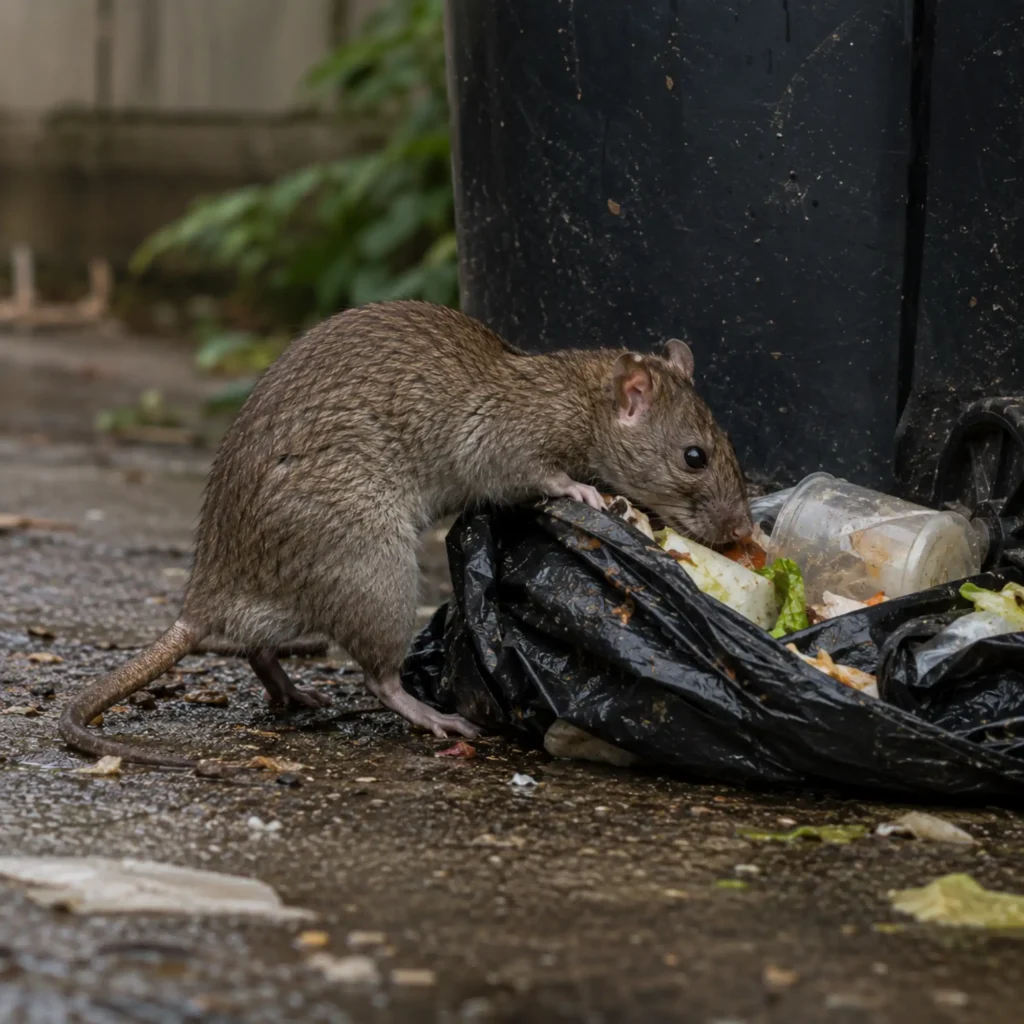
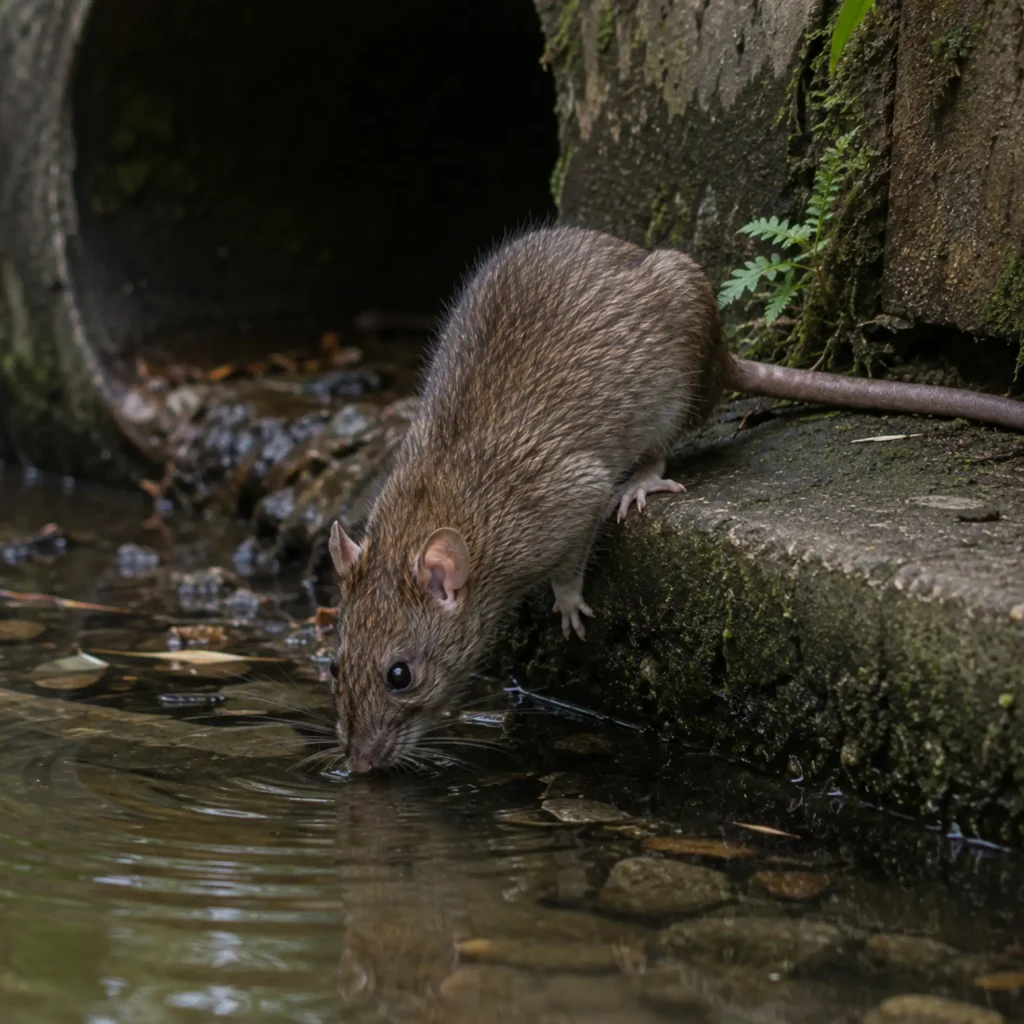
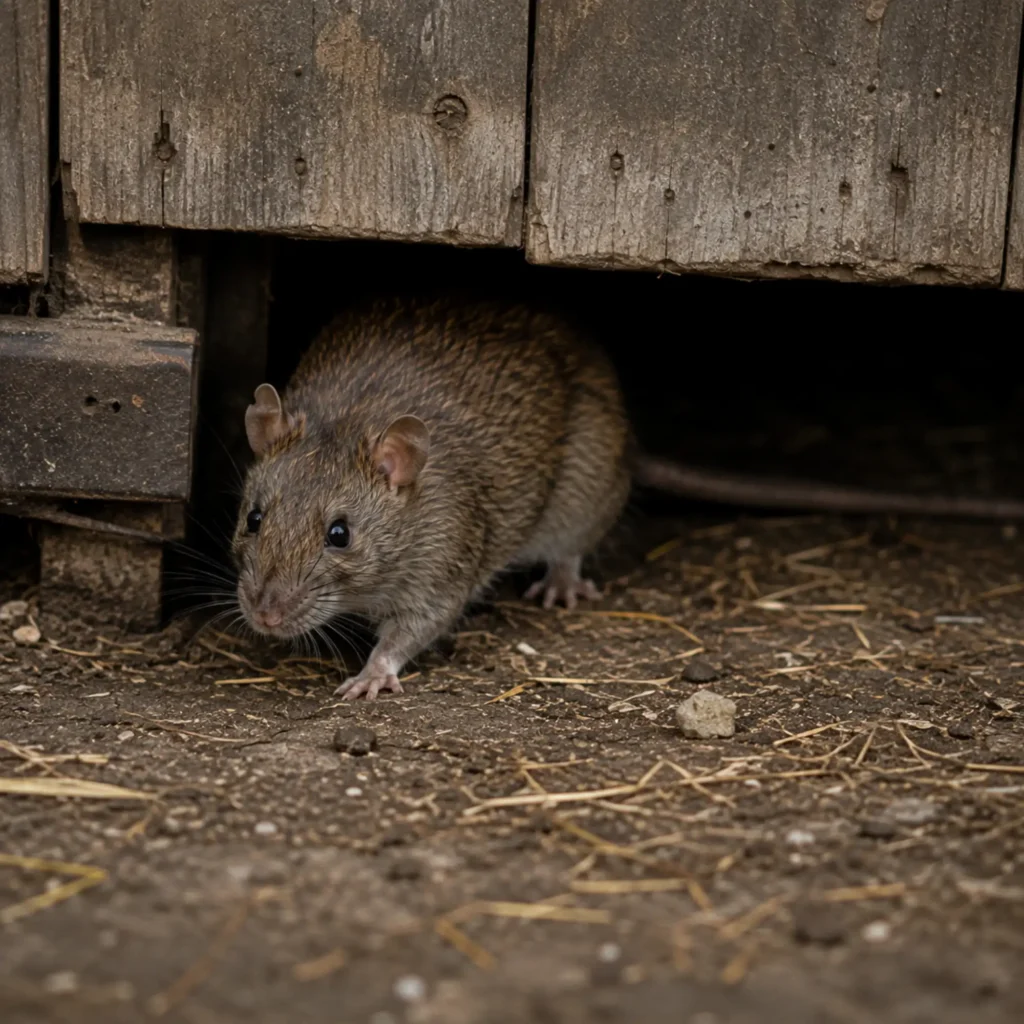
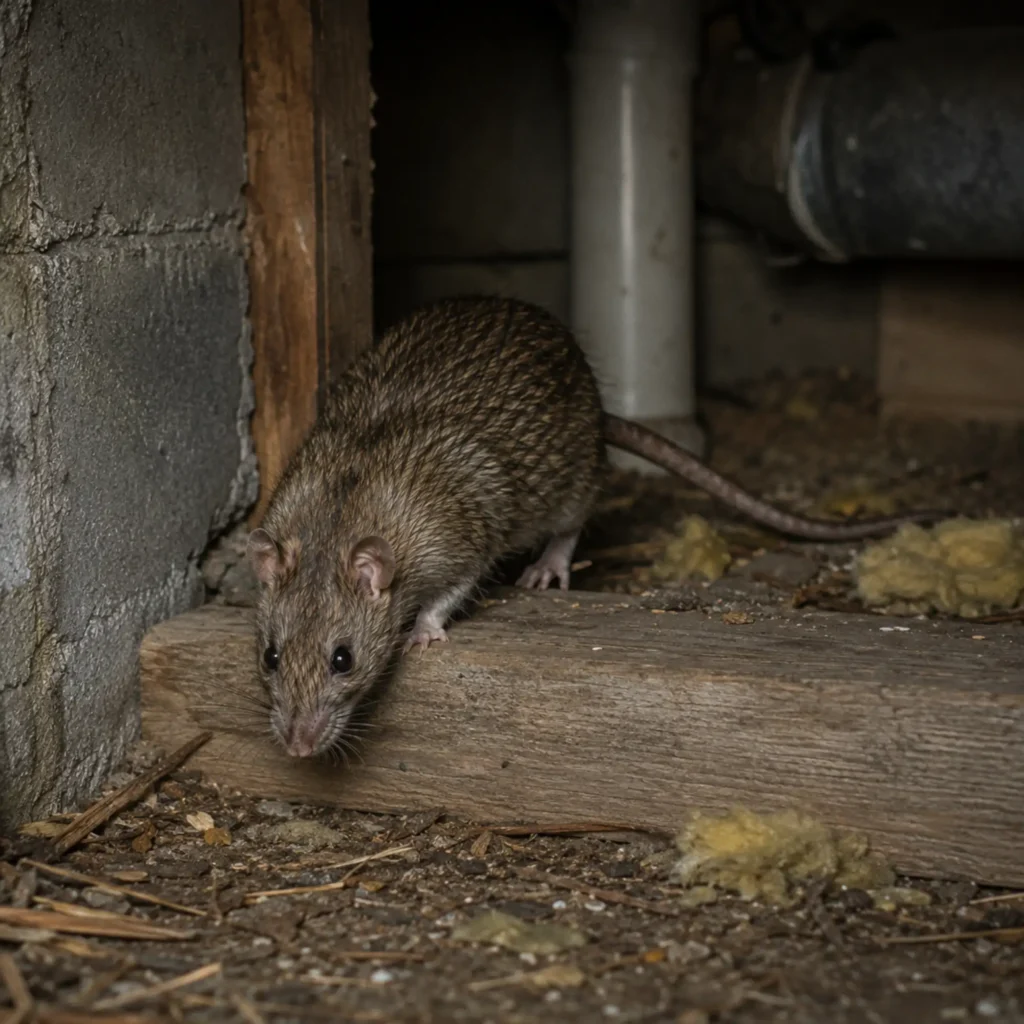
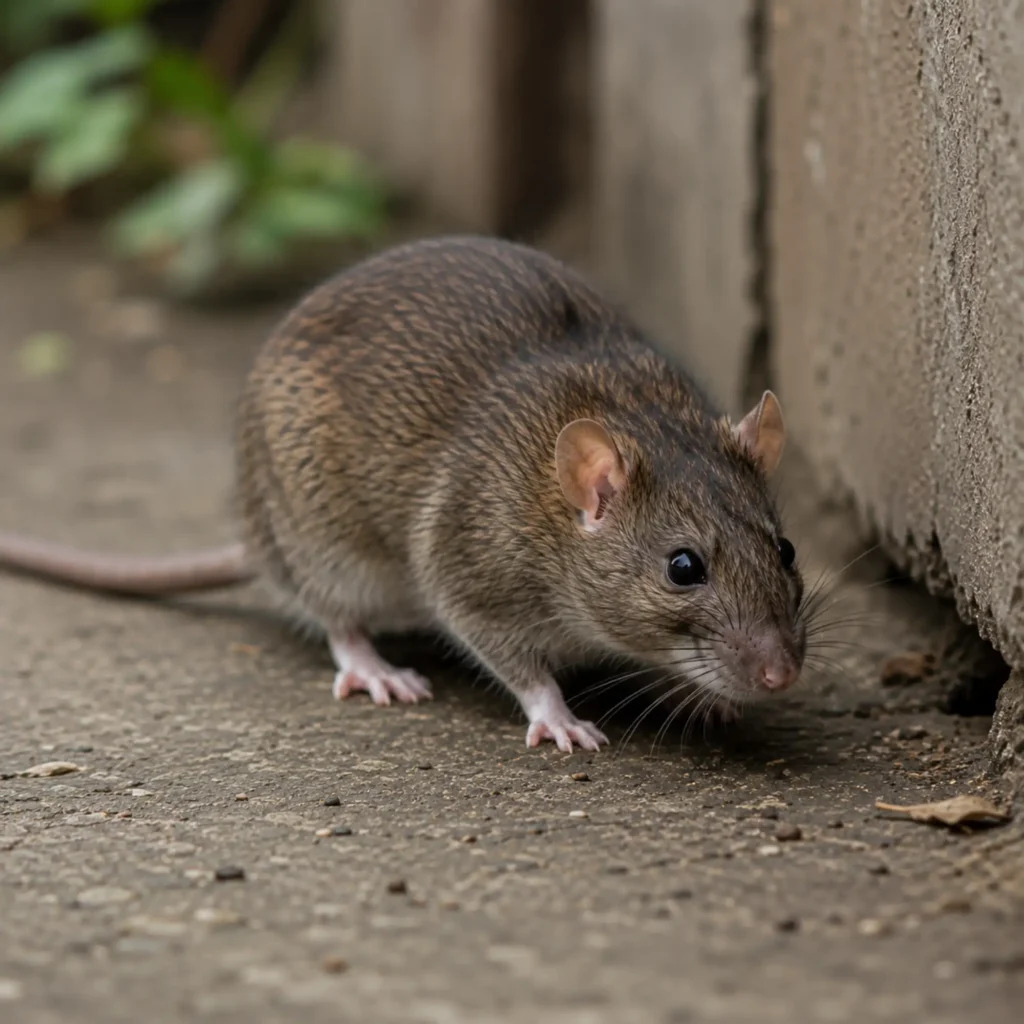
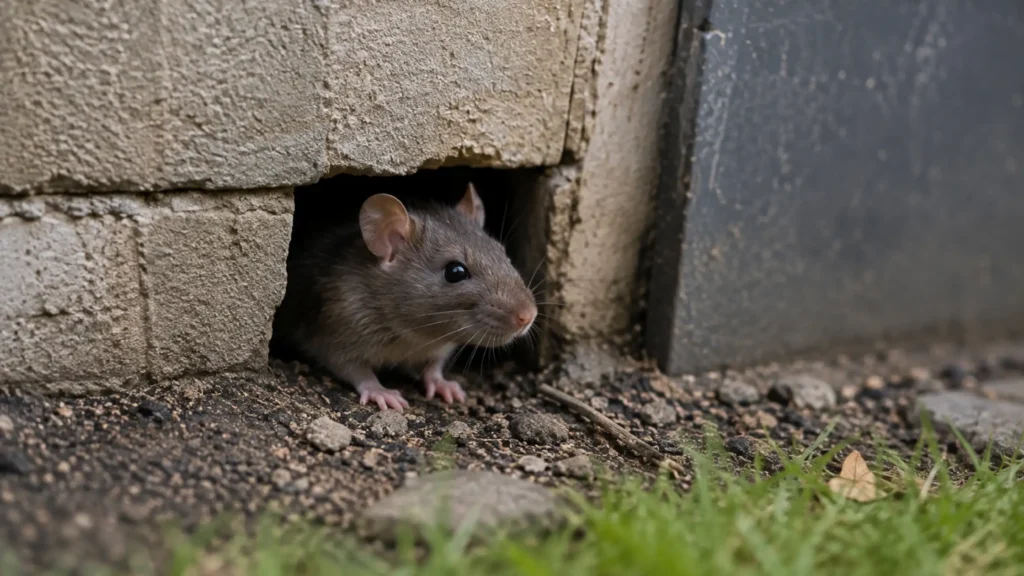
Rats behave differently. Norway rats stay low and burrow near foundations, more common on the ground-level gaps typical of newer slab construction. Roof rats climb, using fence lines, trees, and a creek corridor like Village Creek to reach an attic without ever touching the ground. Heavier droppings and thicker gnaw marks on structural wood usually mean rats, not mice, and getting that right before the first visit changes where the inspection starts.
What a Full Inspection Covers on a Burleson Property
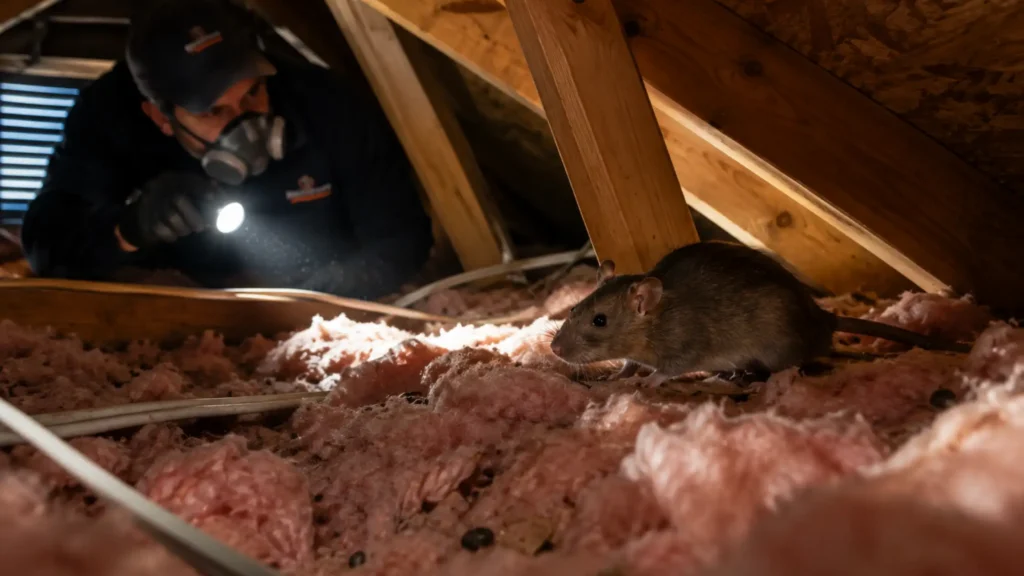
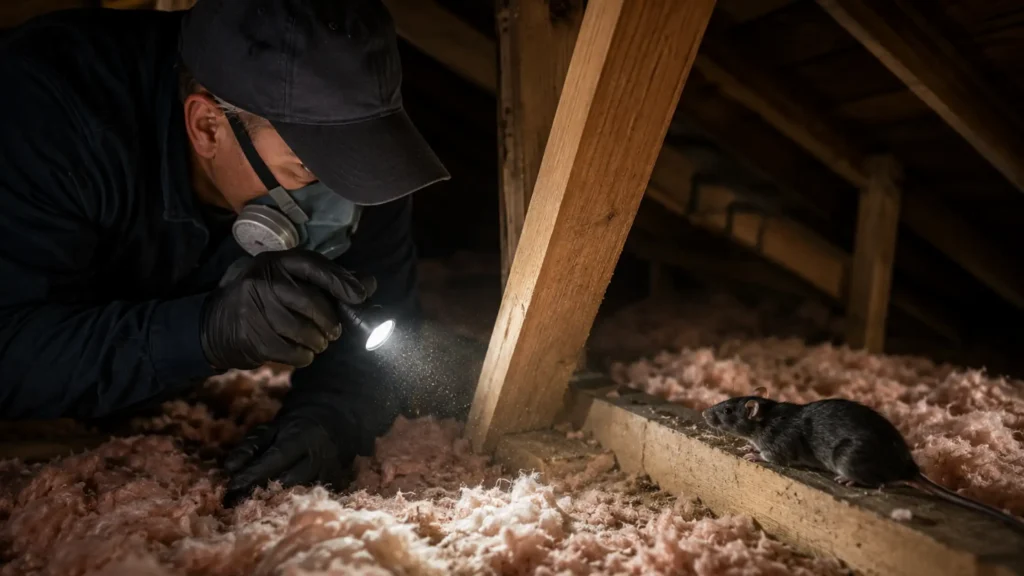
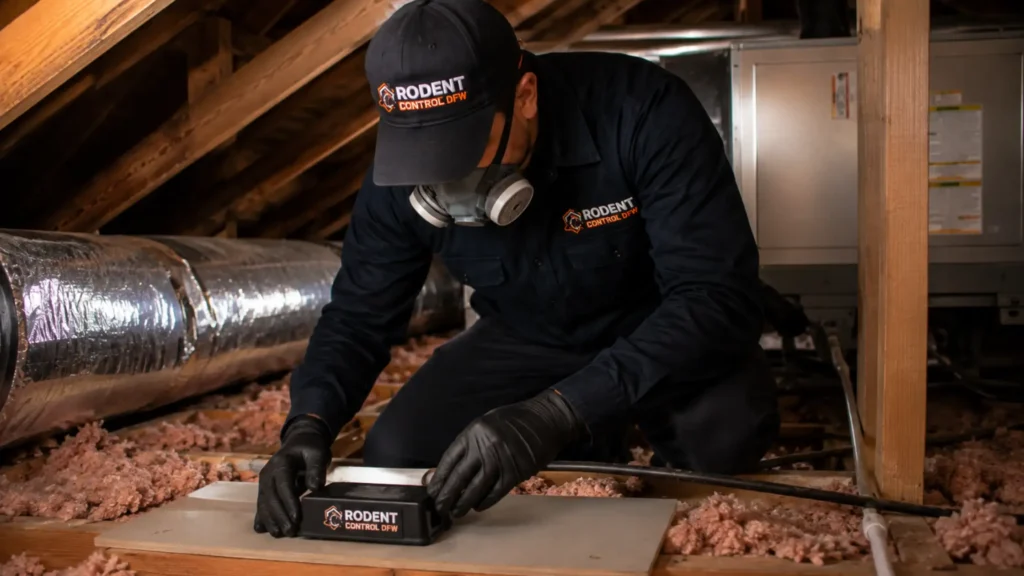
A rodent complaint rarely stays confined to the room where someone heard it. Every inspection covers the attic, the crawl space or foundation line, and every utility penetration where a pipe, wire, or vent passes through an exterior wall. On a newer Burleson build, that usually means checking plumbing stubs, HVAC line sets, and garage door seals that were never fully sealed at construction. On an older Old Town property, it means the same checklist applied to decades of settling and weathered materials instead.
We walk the exterior first, then move through the attic and any accessible crawl space, marking every opening a rodent could realistically use rather than the obvious ones alone. A gap around a dryer vent on one side of the house is a common culprit for noise reported on the opposite side, and that mismatch is exactly why the whole exterior gets checked, not just the room someone called about.
Exclusion Materials That Actually Hold
Foam and caulk are the two most common DIY fixes attempted before someone calls us, and both fail for the same reason. A rodent’s front teeth grow continuously, so chewing through a soft sealant barely slows them down. What actually holds is 19-gauge galvanized hardware cloth with a quarter-inch mesh, tight enough that a juvenile mouse can’t squeeze through and heavy enough that it can’t chew through either.
On a brand-new Burleson home, that material sometimes goes in behind a builder’s own foam seal rather than replacing it outright, since ripping out finished work that’s mostly fine isn’t worth doing when reinforcing it gets the same result. Foam still has a place as a filler behind the hardware cloth. It just never stands alone as the barrier.
Rodents We Handle Around Burleson
Three rodents account for nearly every call across Burleson: Norway rats, roof rats, and house mice. Norway rats stay low, working ground-level gaps around foundations and slab edges, which lines up with a lot of the newer construction on the city’s growing edges. Roof rats climb, and Village Creek’s tree cover plus the mature shade trees near Old Town give them routes into an attic that a ground-level inspection alone would miss.
House mice are the smallest of the three and by far the most common find, especially in newer subdivisions where fresh insulation and warmth are the biggest draw for a displaced field population. A female house mouse can breed again within about 48 hours of giving birth, so a population that looks small when a lot first gets graded can be a real problem by the time the new owners move in a few months later.
Why We Include a Follow-Up Visit
A single treatment tells you rodents were there. It doesn’t tell you the exclusion work held or that every rodent already inside is actually gone, especially with a species that breeds as fast as house mice do.
One job that shaped how we handle this involved a colony well over 20 breeding females in an older Dallas home, not Burleson, but the same lesson applies here on a large infestation regardless of the house’s age.
It took about three months of steady trap checks before the population was confirmed gone, and only then did we go through and seal the house. Seal a colony that size too early and you trap the problem inside the walls instead of clearing it, which is the order we follow on every job.
Licensed and Compliant
Every technician working a Burleson job is licensed under the Texas Department of Agriculture’s Structural Pest Control Service, and the business carries full insurance. Rodent work done wrong doesn’t just fail to solve the problem, it can leave chewed wiring or contaminated insulation behind, so licensing isn’t a footnote here.
What Happens After You Reach Out
The first step is a conversation about what you’re hearing or seeing at the property, so there’s some idea of what to expect before a technician shows up.
From there we schedule a full inspection rather than showing up and setting traps blind, and that inspection is what the treatment plan actually gets built around.
Depending on the size of the problem, the job might wrap up in a couple of weeks or take a few visits over a couple of months, the way the Dallas case above did. A follow-up visit confirming the work held is part of the job either way, never billed separately later.
What We Won't Promise
We won’t tell a Burleson homeowner that a colony is solved in one visit, because it usually isn’t. We also won’t strip out a brand-new home’s builder-installed sealant on day one just to install our own material, if what’s actually failing is one specific gap rather than the whole seal, since tearing out work that’s mostly sound isn’t a service, it’s padding a bill. If a property has a broader pest issue outside rodents, we’ll say so plainly instead of stretching a rodent visit to cover something else.
Track Record
Between the two of us, we bring more than 13 years of hands-on field experience and over 140 individually completed rodent jobs to every property we walk into, Burleson included. About 95 percent of our customers tell us they’re happy with the results, and we’d rather earn that number through repeat calls and word of mouth across Burleson than chase it with a discount code.
Neighborhoods and Areas We Serve Near Burleson
We work throughout Burleson, from the older streets near Old Town and Renfro Street to newer development around Alsbury Boulevard, Hidden Creek Parkway, Wakefield, Mistletoe Hill, and Mountain Valley Lake, plus the growing edge toward Joshua.
Coverage also extends north into the bordering Crowley and far south Fort Worth areas and southeast along the I-35W corridor toward Alvarado. If you’re not sure whether a specific Burleson address falls inside the service area, the fastest way to find out is to call and ask.
Frequently Asked Questions
Does a new house really get rodent problems, or is that just an older-home issue?
New construction gets its share, sometimes more in the first year or two if a nearby lot was recently cleared. Age of the house matters less than what’s happening on the land around it.
How fast can someone come out for a Burleson rodent call?
Within 24 to 48 hours of the request coming in.
Do you guarantee the rodents won't come back?
Not with no conditions attached, since a cleared lot next door or a new gap from settling can reintroduce rodents later. What we guarantee is a follow-up visit to confirm the original job held.
Why isn't either founder's name listed on this site?
Personal preference on our end. It doesn’t change who’s licensed, who’s insured, or who’s accountable if a job doesn’t hold.
Is it definitely rats, or could it be mice?
That depends on the droppings, gnaw pattern, and sounds you’re noticing. Describe what you’re seeing when you reach out and the technician can usually narrow it down before the visit.
Get in Inspection
If you’re dealing with scratching in a Burleson attic, droppings somewhere they shouldn’t be, or a trap-and-hope approach from someone else that didn’t hold, call to schedule a full property inspection. We’ll walk the property, explain what we find, and lay out a plan before anything gets sealed or trapped.
Contact US
Have questions or need help with our services? Get in touch with our team today. We’re here to answer your questions, provide expert guidance, and help you find the right solution for your needs
- hello@rodentcontroldfw.com
- Rushing River Dr Fort Worth, TX 76118 United States