
Rodent Control in Rockwall, TX
Rockwall is the smallest county in Texas, a little under 150 square miles, and most of it sits close enough to Lake Ray Hubbard that the water shapes what happens under a house or a restaurant kitchen more than people realize. Add a population that’s grown by double digits in the last five years and you get a city where a 1970s lakefront home and a brand-new mixed-use building near the Harbor can be a five-minute drive apart instead of a twenty-minute one. Rodent Control DFW handles inspection, exclusion, and trapping for homes and businesses across Rockwall and the surrounding area, and we build every job around what’s actually under that specific property, not a generic checklist. If you’re hearing movement above a bedroom, finding droppings near a pantry or a walk-in cooler, or a round of store-bought traps already came back empty-handed, we’d rather look at the property in person than guess over the phone.
About Rodent Control DFW
Rodent Control DFW works out of Fort Worth and covers the wider DFW area, Rockwall included. I spent ten years handling rodent calls for other companies before starting this one in 2025, and my co-founder, Noah Willson, has put in more than 13 years in the field with over 140 rodent jobs he’s personally seen through start to finish.
Two people run this operation. There’s no dispatcher assigning your job to whichever subcontractor is closest that week, and the person who inspects the property is the same person whose name is on the invoice.

Why Homeowners Choose Us
Rockwall isn’t a flat suburb where every house was built the same decade. A gated lakefront community from the 1970s, a resale neighborhood from the 1990s, and a condo tower still under construction near the Harbor can all be inside the same service radius, and each one fails differently.
A lot of companies run the same trap-and-bait visit regardless of which of those they’re standing in front of, and that’s exactly why the activity comes back a few weeks later.
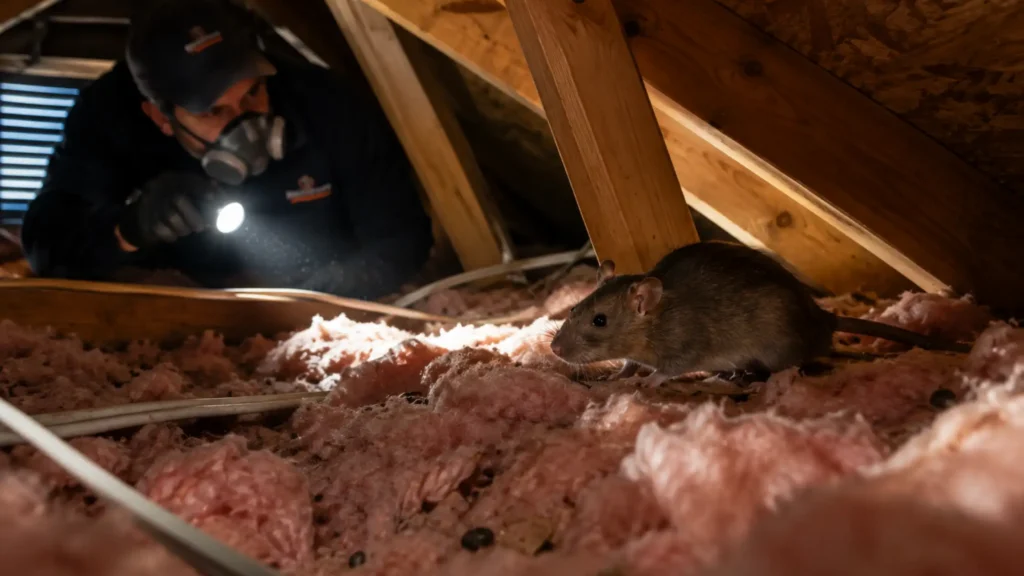
We treat every Rockwall call as an inspection problem first. Find where the rodent is actually getting in, seal that opening with something a rodent can’t chew through, then trap what’s already inside. Skip the sealing step and you’re just resetting the same call for next month.
Why a Man-Made Lake Changes What's Under a Rockwall Property
Lake Ray Hubbard isn’t a lake that was always there. The Rockwall-Forney Dam went in on the East Fork Trinity River starting in 1964, the dam closed in 1967, and the reservoir reached full pool by 1970. Before that, the ground underneath a lot of today’s shoreline was farmland and open prairie, not lakebed. Chandlers Landing, the gated community on the southeastern shore, broke ground in 1974, just a few years after the water settled into its current line.
That timeline matters more than it sounds like it should. Shoreline lots graded and filled soon after a reservoir fills tend to keep settling for decades afterward, longer than ground that was never disturbed.
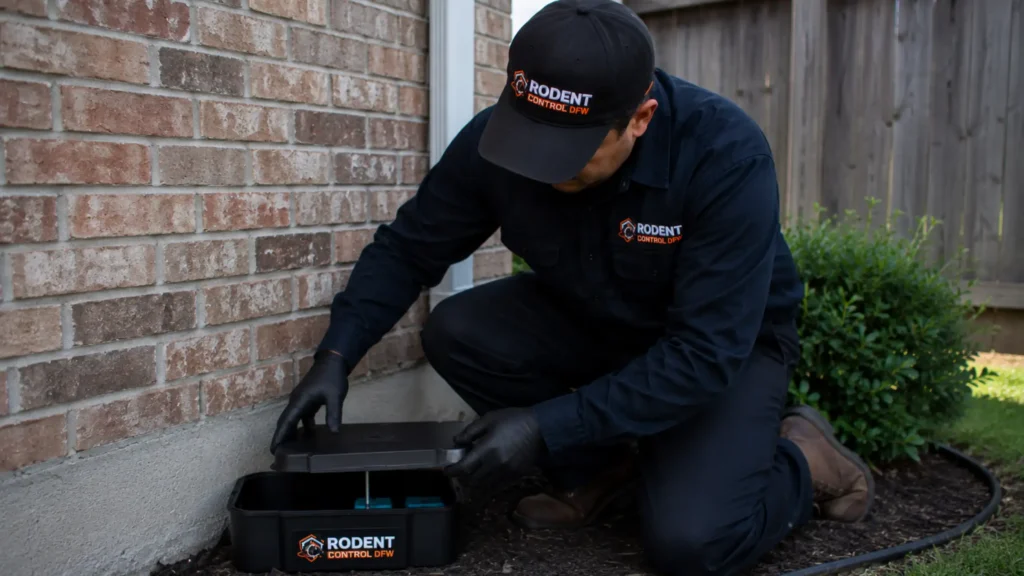
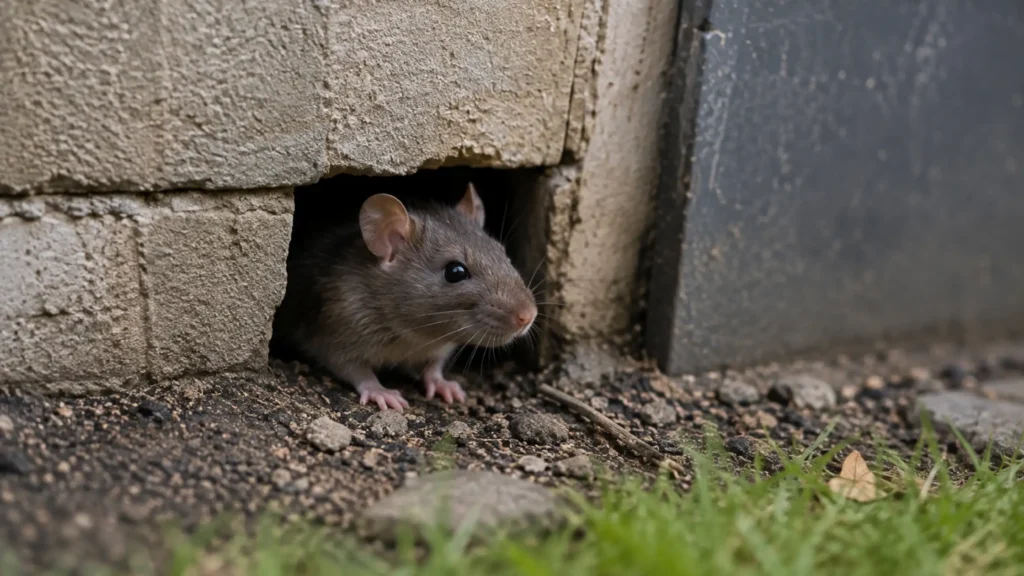
On a Chandlers Landing property or anywhere else close to the water’s edge, that slow settling opens gaps around utility penetrations and foundation seams in places a newer subdivision built on undisturbed ground simply won’t develop.
It’s a different mechanism than clay soil swelling and shrinking, which gets blamed for most DFW foundation issues. Here it’s fill settling under its own weight, and it shows up as a hairline gap where a slab meets a foundation wall or where a pipe was set before the ground around it finished compacting.

Why Rockwall's Small Footprint Puts Old and New Construction Side by Side
At just under 150 square miles, Rockwall County is the smallest county in the state, and the city itself has grown fast enough in the last several years that there isn’t much undeveloped land left to spread into. That’s different from a sprawling suburb where a 1980s neighborhood and a new subdivision might sit five or six miles apart with farmland or a highway buffer between them.
In Rockwall, an established neighborhood from the 1990s or early 2000s can back directly onto new construction going up right now, sometimes across a single street.
When ground gets disturbed for a new build, whatever rodents were living in that lot, field mice, the occasional Norway rat working a drainage ditch, move somewhere close, and the nearest somewhere is usually the older houses next door. We factor that in on every inspection near active construction.
A rodent problem that shows up right after a neighboring lot breaks ground isn’t a coincidence, it’s a pattern we see across the whole city.
Rodents We Handle in Rockwall Homes and Businesses
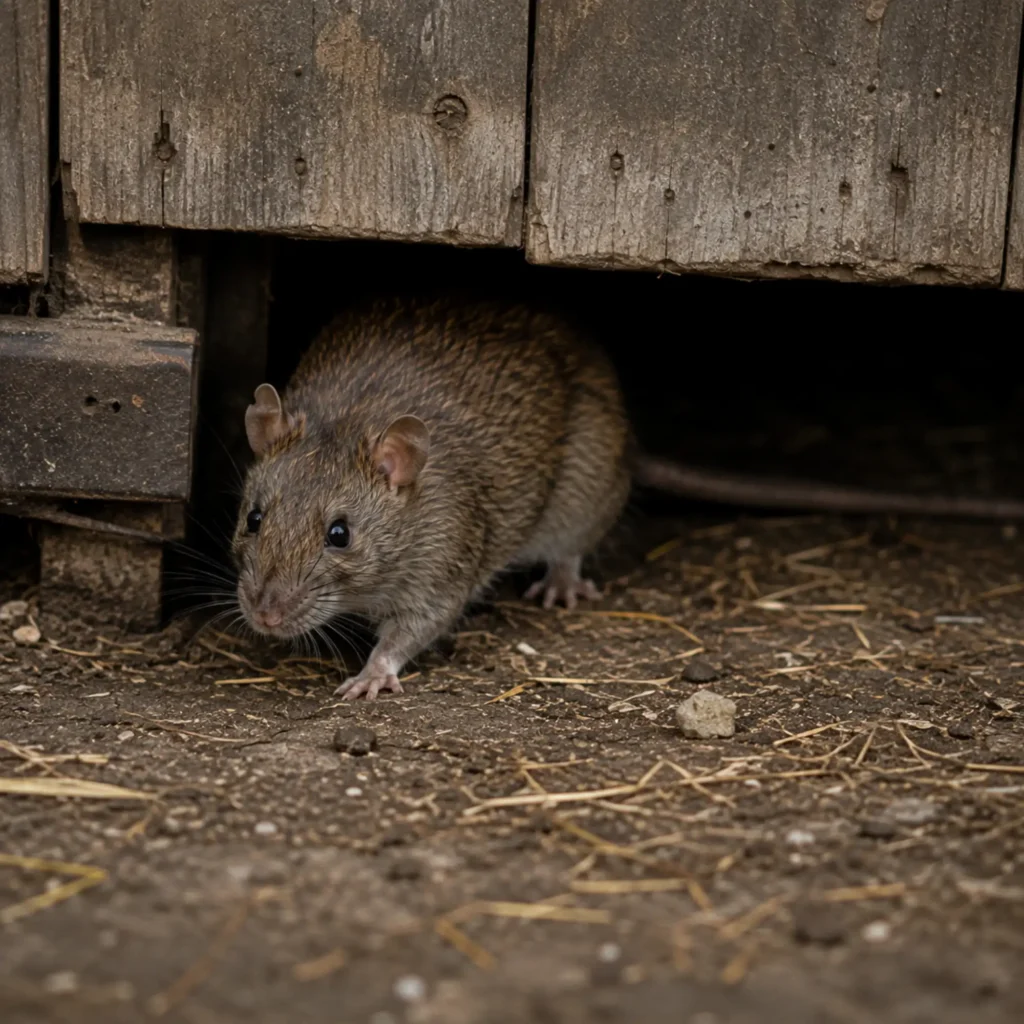
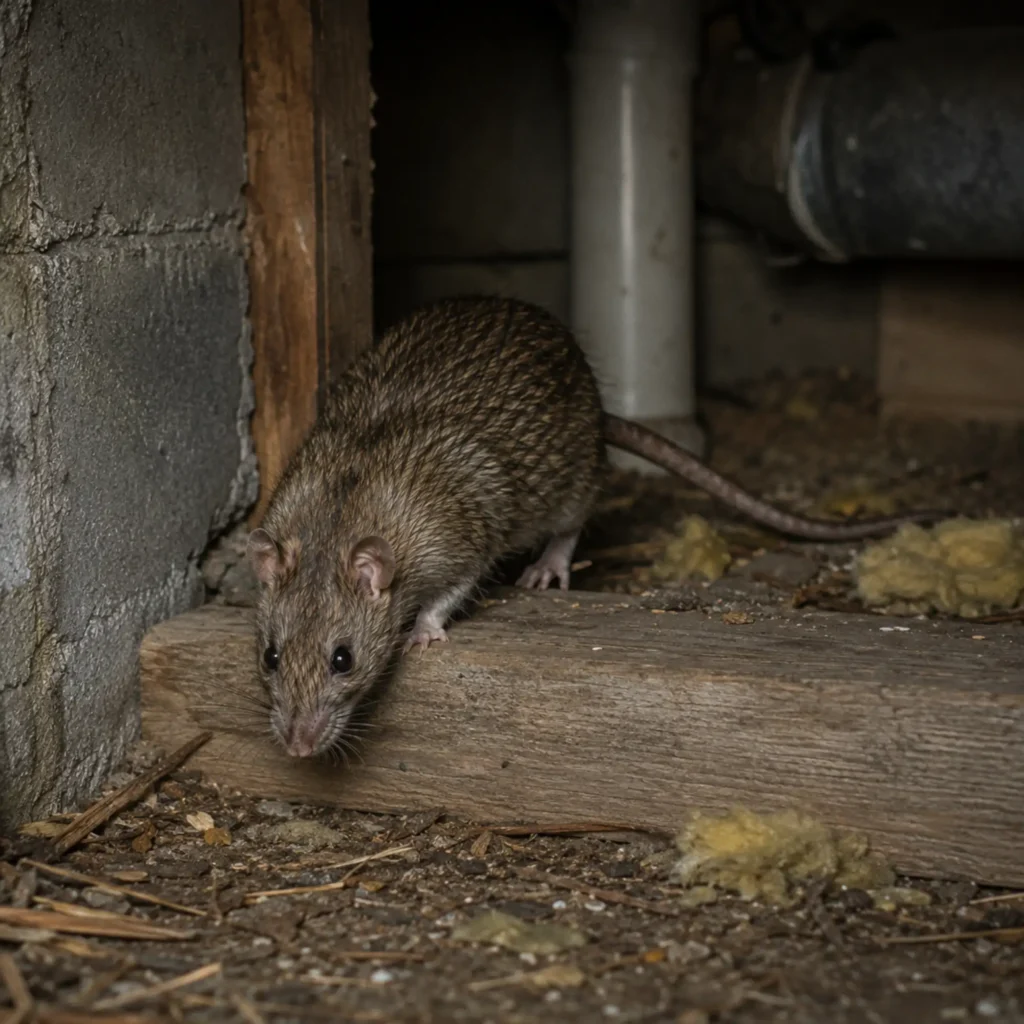
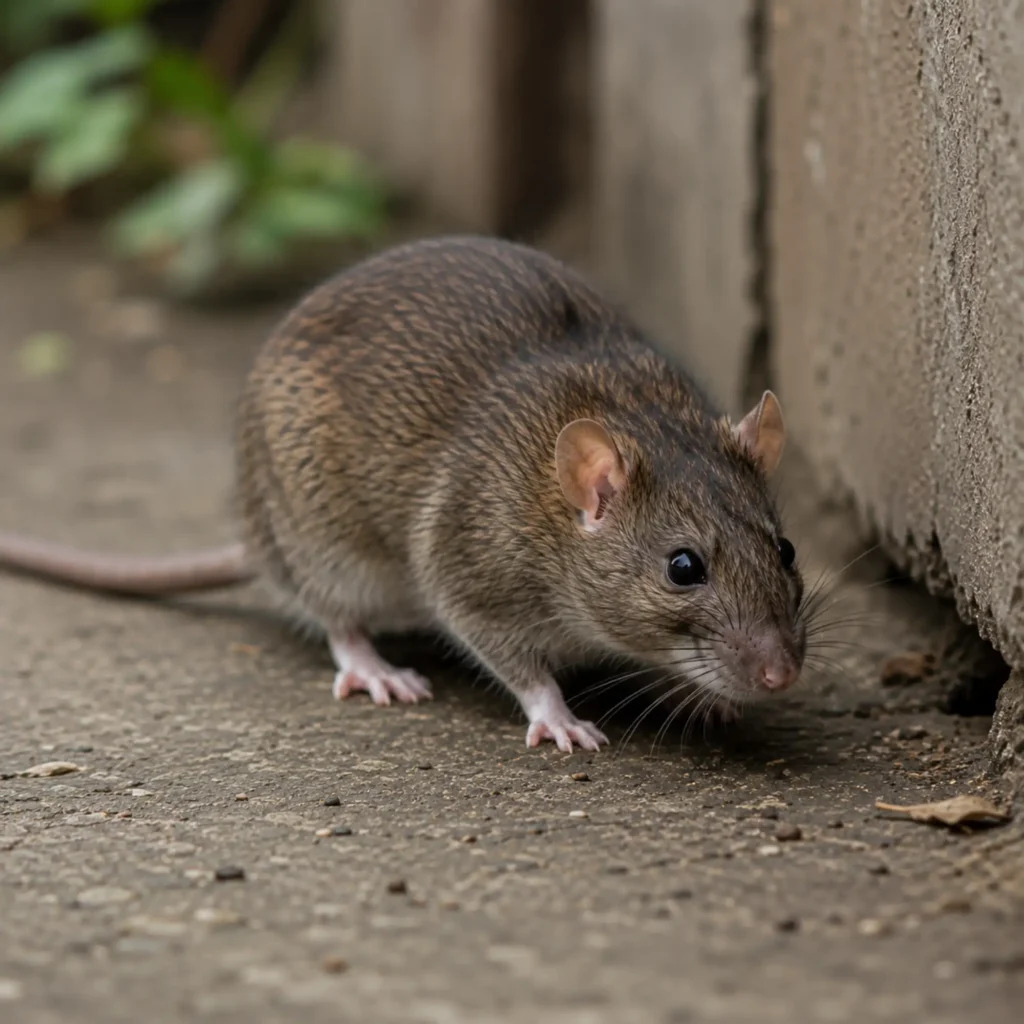
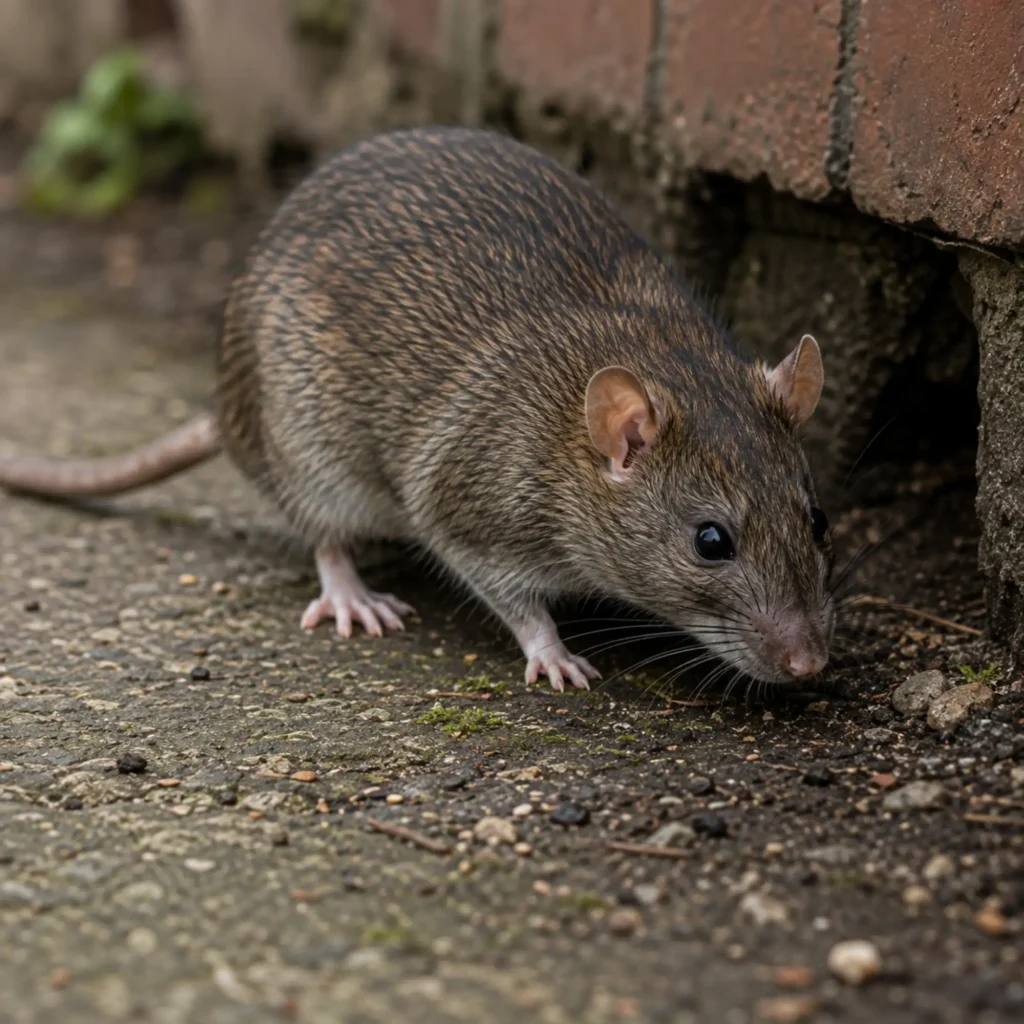
Three species make up almost every call we get in Rockwall: Norway rats, roof rats, and house mice. Norway rats stay low, working foundation edges, drainage culverts, and anywhere ground meets structure, which lines up with the settling issues around older lakefront lots and the open drainage work near new construction sites.
Roof rats climb. Rockwall’s open prairie has fewer mature trees than a heavily wooded suburb, but the landscaping around established neighborhoods and the fence lines near the Harbor still give them enough of a route to reach an attic or a rooftop HVAC unit without touching ground.
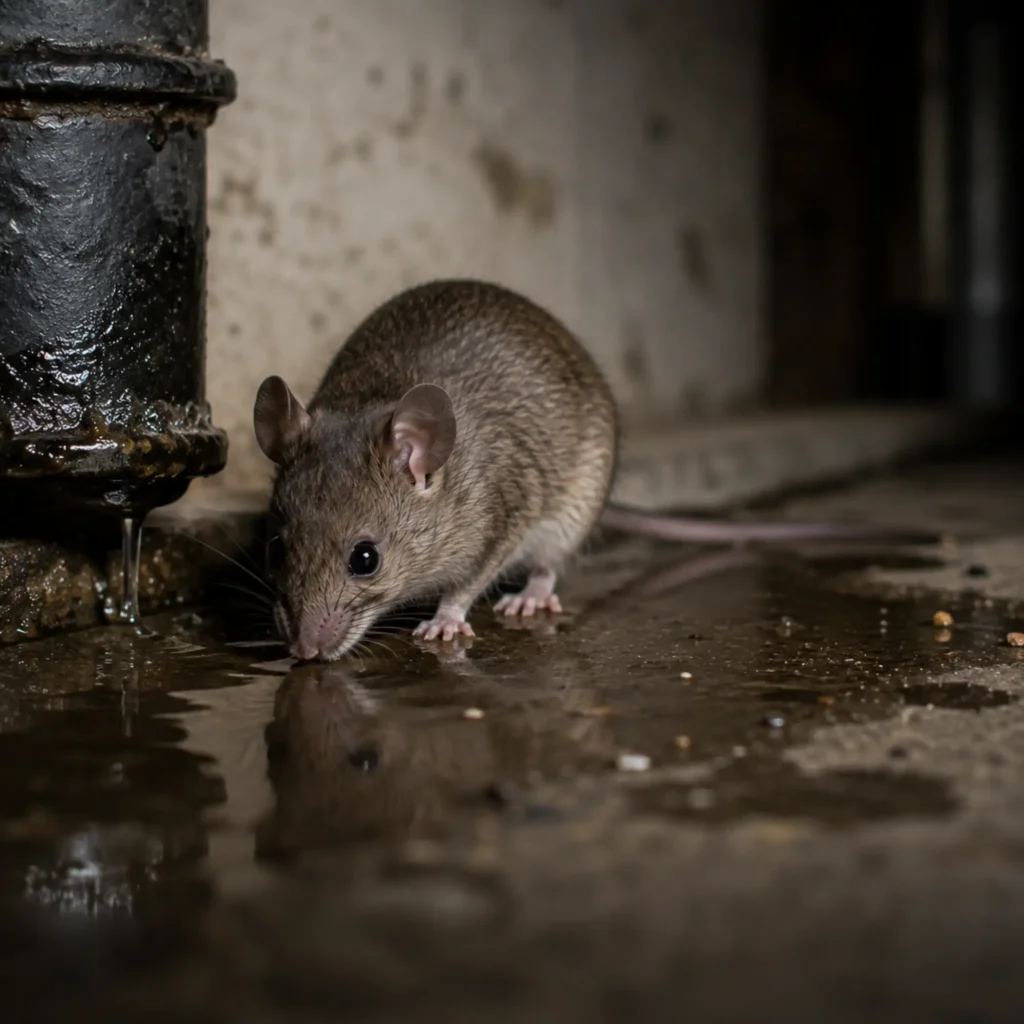
House mice are the smallest of the three and by a wide margin the most common. A female can start breeding again within about 48 hours of giving birth, with litters of five or six pups at a time, so a mouse problem that seemed minor in early fall can be a real infestation by December if the entry point never gets closed.
What a Full Inspection Covers on a Rockwall Property
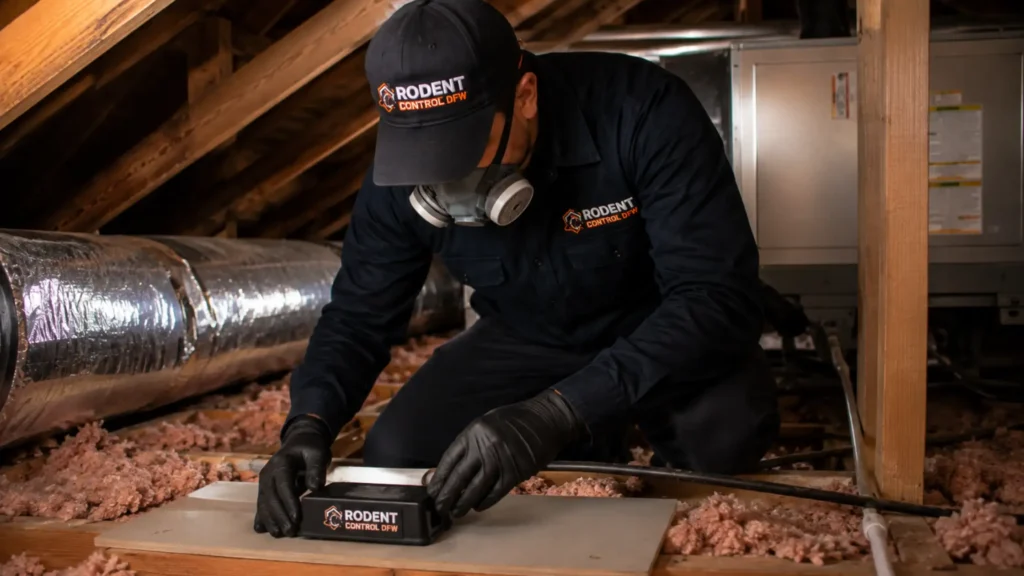
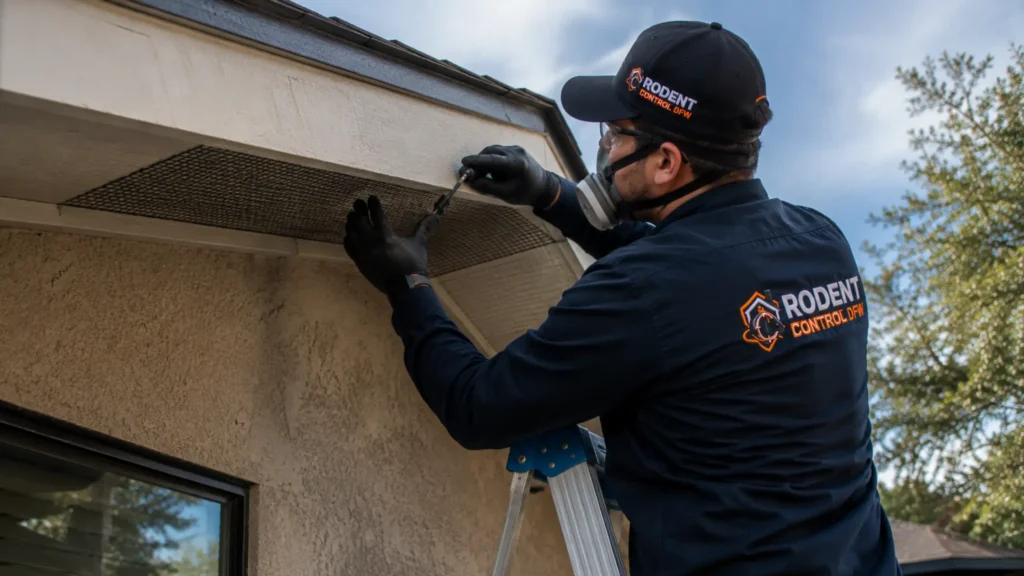
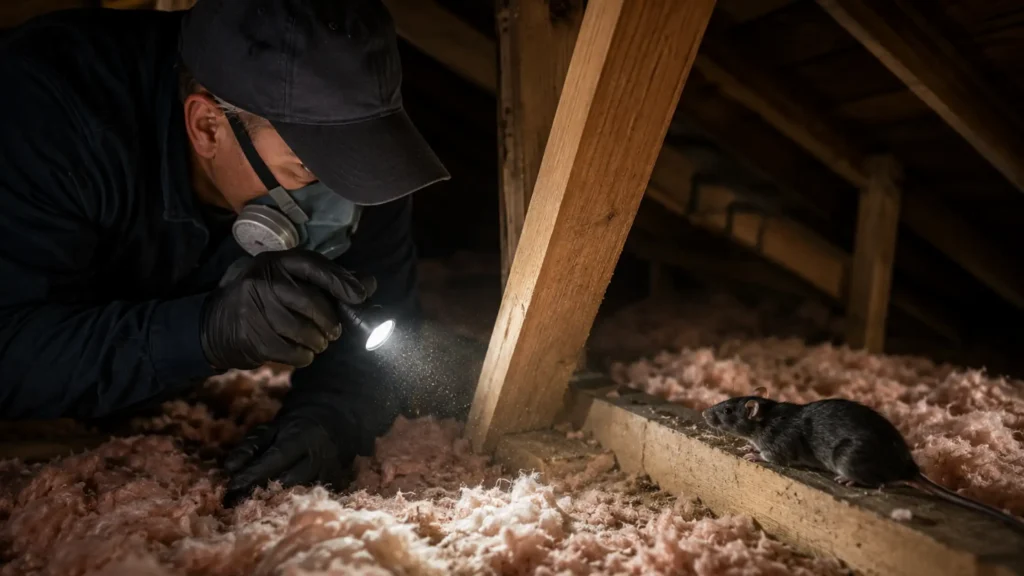
A rodent inspection in Rockwall covers three areas every time: the attic, the foundation perimeter, and every utility penetration where a pipe, wire, or vent line passes through an exterior wall. On a lakefront property that means checking foundation seams and grade-level gaps first, since settling shows up there before anywhere else. On a property near active new construction it means walking the side of the house facing the disturbed lot with extra attention, since that’s the direction any displaced activity is most likely to be coming from.
A complaint almost never stays where it started. Someone calls about scratching in a bedroom wall and the actual opening turns out to be a gap around a dryer vent on the opposite side of the house. We walk the full exterior first, then the attic and any accessible crawl space, marking every opening a rodent could realistically use rather than stopping once we’ve found one that looks obvious.
Signs You're Dealing With Mice, Not Rats
House mice leave small, thin droppings, usually scattered instead of piled, and gnaw marks fine enough to show up on cardboard and food packaging more than structural wood. Quick, light scurrying at night in a kitchen or pantry wall points toward mice almost every time.
Rats sound heavier and move slower. Norway rats stay ground-level, favoring crawl spaces and cluttered storage near a foundation. Roof rats travel fence lines and rooflines instead to reach an attic. Heavier droppings and thicker gnaw marks on structural wood both point toward rats. Getting this right before the first visit changes where the technician starts looking.
What Rodent Control in Rockwall Actually Involves
A rodent job here runs through the same four steps every time, in this order.
- A full interior and exterior inspection that maps every entry point and sign of activity, weighted toward whichever risk factor applies to that property, lakefront settling or nearby construction disturbance.
- Exclusion work sealing every opening we found with material a rodent can’t chew through, not foam or caulk used alone.
- Trap placement based on where droppings, gnaw marks, and travel paths actually turned up, not a set number spread evenly through the house.
- A follow-up visit confirming the sealed points are holding and no new activity has started.
Skip the order, or skip the last step, and that’s where most rodent jobs in Rockwall come apart on other companies’ watch.
Exclusion Materials That Actually Hold
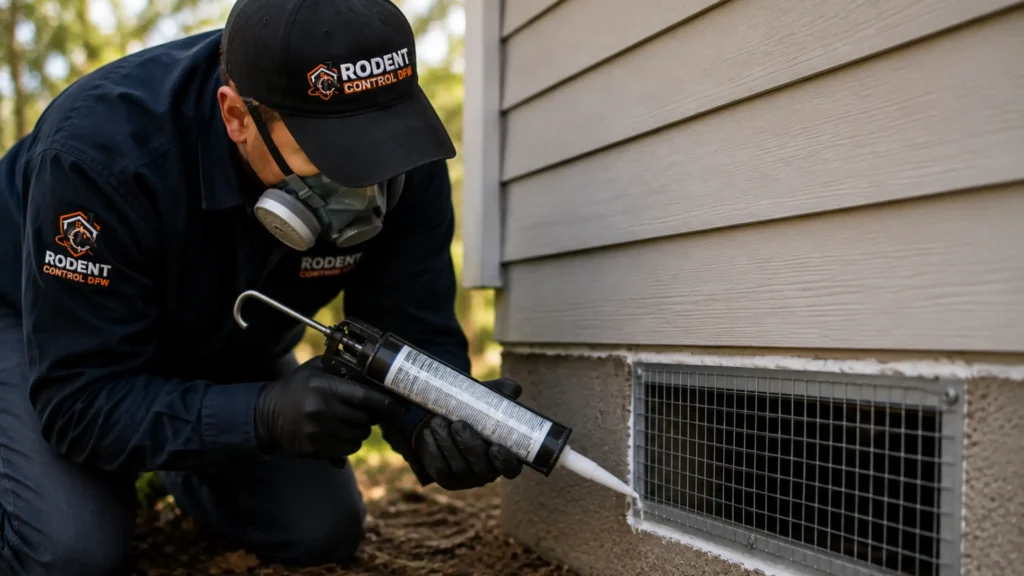
Foam and caulk are the two fixes most Rockwall homeowners try before calling us, and both fail the same way. A rodent’s front teeth grow continuously, so chewing through soft sealant costs it almost nothing. What holds is 19-gauge galvanized hardware cloth with a quarter-inch mesh, tight enough that a juvenile mouse can’t squeeze through and heavy enough that it can’t chew through it either.
On a lakefront property where settling has opened a gap along a foundation seam, the hardware cloth gets set into the gap and backed with foam as a filler, never the other way around. Foam alone against an active seam that’s still settling won’t hold for a full season.
Exclusion Materials That Actually Hold
Foam and caulk are the two fixes most Rockwall homeowners try before calling us, and both fail the same way. A rodent’s front teeth grow continuously, so chewing through soft sealant costs it almost nothing. What holds is 19-gauge galvanized hardware cloth with a quarter-inch mesh, tight enough that a juvenile mouse can’t squeeze through and heavy enough that it can’t chew through it either.
On a lakefront property where settling has opened a gap along a foundation seam, the hardware cloth gets set into the gap and backed with foam as a filler, never the other way around. Foam alone against an active seam that’s still settling won’t hold for a full season.
Rodent Pressure Along the Harbor and Rockwall's Commercial Corridor Hold
A lakefront restaurant or a retail space near the Harbor faces a version of this problem that a house a few miles inland doesn’t. Waterfront foot traffic, outdoor dining areas, and dumpster placement close to a building’s exterior all give rodents more reasons to test a structure than a residential property gets. Add the mix of older commercial buildings near downtown’s courthouse square sitting close to newer construction along the I-30 corridor, and a commercial inspection in Rockwall has to account for both an older building’s original penetrations and a newer building’s still-settling utility lines.
We run commercial inspections the same way we run residential ones, full walk of the property, every entry point mapped before anything gets sealed or trapped. A business can’t afford a callback that shuts down a kitchen mid-shift, so we’re specific about what we find and how long the exclusion work will take before we start.
Why We Include a Follow-Up Visit
One treatment tells you rodents were on the property. It doesn’t confirm the sealed points are holding or that every rodent already inside is actually gone, and with a species that breeds as fast as a house mouse does, that gap matters. A follow-up visit is built into every Rockwall job from the start, never something added on afterward once the invoice is already written.
We’ve handled larger colonies where trapping alone ran for months before sealing made sense, since closing every opening too early on an active population just traps the problem inside the walls instead of clearing it. The order stays the same regardless of the size, trap and confirm first, seal once we’re sure.
The Limits of a Single Visit
A colony that’s been established for months rarely clears in one appointment, and anyone claiming otherwise on a first call is guessing or overselling. Sealing everything shut before we’re confident the population is gone creates its own problem too, trapping whatever’s left inside the structure instead of removing it, which is why the sequence on a large job runs longer than a homeowner might expect going in.
Scope matters as well. A Rockwall property with a separate pest problem outside rodents, ants or wasps for example, needs a different specialist, and we’ll point that out directly rather than take a job that isn’t the right fit for what we do.
Licensed for Residential and Commercial Work
Texas requires a structural pest control license from the Department of Agriculture for this kind of work, and every technician we send to a Rockwall property, house or restaurant, carries one along with full business insurance. That matters more on a commercial job than most owners think about. A licensed technician knows where bait can and can’t go inside a working kitchen, and an unlicensed one setting bait in the wrong spot near food prep is a health department problem waiting to happen, not just a rodent one.
What Happens After You Reach Out
Nobody shows up to a Rockwall property and starts setting traps without knowing what they’re walking into first. A short conversation about what’s being heard or seen comes before anything else, then a full inspection gets scheduled, and the treatment plan comes out of what that inspection actually finds rather than a standard package applied to every call.
Timeline varies more than people expect. A single-mouse issue near a kitchen might be done in two visits. A colony that’s been building for a season near an unsealed foundation seam can take a few months of trap checks before sealing makes sense. The follow-up confirming everything held is included either way, folded into the original job rather than added as a separate line item later.
Neighborhoods and Areas We Serve Near Rockwall
We cover Rockwall’s lakefront communities including Chandlers Landing and The Shores, the established neighborhoods closer to downtown and the courthouse square, and newer construction near the Harbor and along the I-30 corridor. Coverage extends into the surrounding Rockwall County cities of Heath, Fate, Royse City, and McLendon-Chisholm.
If you’re not sure whether your specific address falls inside the service area, the fastest way to find out is to call and ask.
Frequently Asked Questions
Does Rockwall being on a man-made lake actually matter for rodent control?
For lakefront properties, yes. Ground near the shoreline that was graded and filled after the reservoir went in during the late 1960s tends to keep settling longer than undisturbed ground, which opens foundation gaps a newer inland property won’t see for years.
Do you inspect properties near new construction differently?
Yes. Ground disturbed by a new build pushes existing rodent activity toward the closest structure, usually an established neighbor, so we pay extra attention to the side of the house facing any active construction.
Do you handle commercial properties near the Harbor?
Yes, restaurants and retail spaces included. Commercial inspections cover the same ground as residential ones, with extra attention on dumpster placement and outdoor dining areas.
Do you guarantee rodents won't come back?
No blanket promise. Ground keeps moving near the lake and construction keeps opening new ground elsewhere in the city, and either one can bring rodents back to a property that was already cleared. The follow-up visit confirming the original job held is what we do guarantee, and it’s built into the job rather than sold separately.
How fast can someone come look at a Rockwall property?
Call and we’ll get a technician scheduled for a full inspection, usually within a day or two depending on the week.
Get in Inspection
If you’re hearing movement in a Rockwall attic, finding droppings somewhere they shouldn’t be, or a trap-and-hope attempt from someone else didn’t hold, call to schedule a full property inspection. We’ll walk the property, tell you exactly what we find, and lay out a plan before anything gets sealed or trapped.